
V part wigs come up in my chair almost every week, usually from clients who want something natural-looking without lace, glue, or a long install. I’ve worked as a licensed cosmetologist and wig specialist for over ten years, and I’ve installed, adjusted, and repaired v part wigs more times than I can count. My experience with them is mixed—but informed. When they work, they work beautifully. When they don’t, the problems are usually predictable, and avoidable.
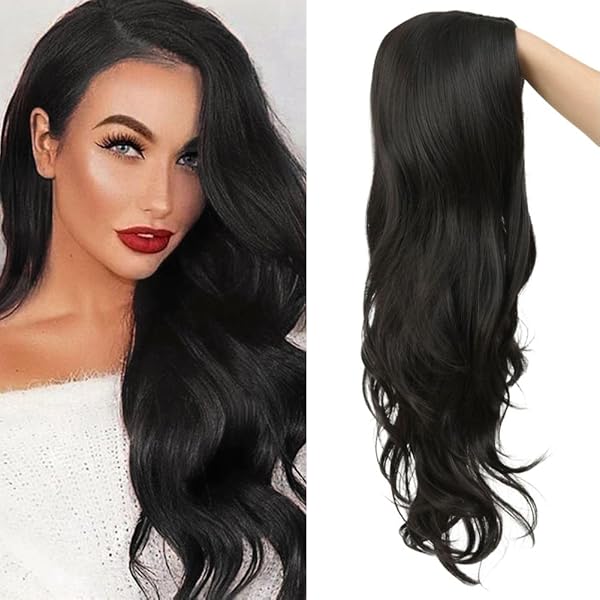
The first time I became a real believer was with a client who had traction sensitivity along her hairline after years of sew-ins. She wanted coverage but refused anything that touched her edges. A V part wig made sense because it left her hairline alone and relied on a small, controlled leave-out. What surprised her—and honestly impressed me—was how natural the part looked once we matched the texture correctly. From conversational distance, it looked like her own hair, not a unit.
Texture matching is where most people go wrong. I’ve seen clients bring in silky straight V part wigs expecting them to blend with tightly coiled natural hair and no heat. That almost never ends well. I remember one appointment where the wig itself was high quality, but the contrast between the wig hair and the leave-out made the part look sharp and artificial. We either had to style her natural hair with heat or switch to a kinky-straight texture. Once we did, the difference was immediate. The wig didn’t change—the choice did.
Density is another detail that separates a good result from an obvious one. Many V part wigs are made fuller than the average person’s natural part. In the salon, I often thin the wig slightly around the V opening so the client’s own hair doesn’t disappear visually. That’s not something most people think about until they see the wig on their head instead of a model’s.
I’m also careful about who I steer away from V part wigs. If someone has thinning right along the part or extremely fragile hair in that area, I’m hesitant. The clips sit close to the opening, and repeated tension in the same spot can undo months of progress. I’ve had clients who insisted on pushing through anyway, only to come back later wishing they’d listened. In those cases, I usually recommend a break or an alternative that distributes tension more evenly.
On the positive side, I’ve seen V part wigs actually help clients grow their hair. One regular client rotates two identical wigs and removes them every night. Because she’s manipulating her natural hair less and not using adhesive, her hair has thickened noticeably over time. That kind of result doesn’t happen by accident—it comes from correct sizing, gentle installation, and realistic expectations.
I always tell clients not to stretch the V opening wider than it’s designed to be. That’s a common mistake that weakens the base and makes the part look unnatural. A narrow, clean leave-out that’s styled to match the wig almost always looks better than trying to expose more scalp.
After a decade in this field, my position is clear. V part wigs aren’t a shortcut, and they’re not universally flattering. But for the right person—someone with healthy hair in the part area, a willingness to match texture, and realistic styling habits—they can be one of the most natural-looking, low-maintenance options available. When clients understand that going in, the results tend to speak for themselves.